
Last Updated on October 19, 2026
The Fluke 325 Clamp Multimeter is a durable, reliable, and accurate digital multimeter designed for professional HVAC technicians, electricians, and serious electrical enthusiasts. Manufactured by Fluke Corporation, this clamp meter offers excellent versatility and dependable performance for a wide range of electrical testing tasks.
If you’re searching for a feature-rich clamp meter that provides fast and accurate measurements, the Fluke 325 is worth considering. It is the most feature-packed model in the Fluke 320 series, offering more measurement functions than the Fluke 323 True-RMS clamp meter and Fluke 324.
Whether you’re working on residential, commercial, or industrial electrical systems, the Fluke 325 offers True-RMS technology, AC/DC current measurement up to 400 A, temperature testing, and other useful functions.
Read this detailed Fluke 325 review 2026 to learn about its specifications, features, advantages, limitations, and whether it is the right clamp meter for your needs.
Technical Specifications of the Fluke 325 True-RMS Clamp Meter
| Features | Fluke 325 Clamp Meter |
|---|---|
| DC Current | Range: 40.00 A / 400.0 A Accuracy: ±(2% + 5 digits) |
| AC Current | Range: 40.00 A / 400.0 A Accuracy: ±(2% + 5 digits), 45–65 Hz ±(2.5% + 5 digits), 65–400 Hz |
| DC Voltage | Range: Up to 600 V Accuracy: ±(1.0% + 5 digits) |
| AC Voltage | Range: Up to 600 V Accuracy: ±(1.5% + 5 digits) |
| Resistance | Range: 400 Ω / 4000 Ω / 40.00 kΩ Accuracy: ±(1.0% + 5 digits) |
| Continuity | Audible indication at approximately 30 Ω or less |
| Capacitance | 0–100.0 µF / 100–1000 µF |
| Frequency | 5.0 Hz to 500.0 Hz |
| AC Response | True-RMS |
| Data Hold | Yes |
| Min/Max Recording | Yes |
| Backlight | Yes |
| Contact Temperature | -10°C to 400°C (14°F to 752°F) |
| Jaw Opening | 30 mm maximum conductor diameter |
| Safety Rating | CAT III 600 V / CAT IV 300 V |
| Weight | 283 g |
| Batteries | Two AAA batteries (included) |
| Warranty | Two-year limited warranty |
| Price | 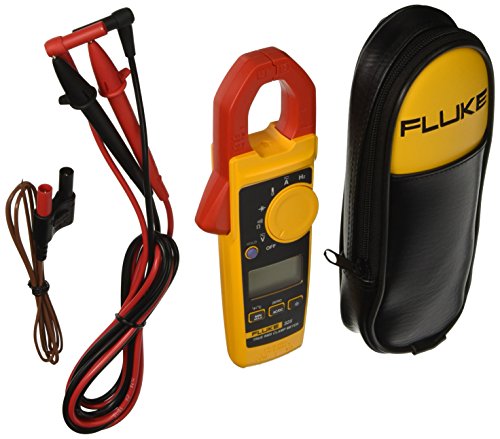 Check Price |
The Fluke 325 is excellent for measuring AC and DC current up to 400 A using its clamp jaws. This compact device is also a reliable True-RMS multimeter for HVAC technicians, allowing accurate measurements on non-sinusoidal AC signals within its specified limits.
In addition to current measurements, it can test voltage, resistance, frequency, capacitance, continuity, and temperature.
Fluke 325 Review 2026: Features and Performance
Without further delay, let’s examine the Fluke 325 clamp meter’s construction, display, functions, and overall performance.
Construction
The Fluke 325 digital clamp multimeter is sturdily constructed for regular professional use. It features a durable housing, comfortable grip, and an easy-to-operate rotary selector.
The clamp jaws open wide enough to accommodate conductors up to 30 mm in diameter, making current measurements convenient in many electrical installations.
The included K-type thermocouple connects through the meter’s input terminals when temperature testing is required. The supplied test leads are also designed for secure handling during voltage and resistance measurements.
Related article: Fluke 115 vs 117: Which Multimeter Is Better?
Additionally, the Fluke 325 comes with a soft carrying case for storing the meter and its accessories. The compact design makes it easy to carry between service calls.
However, like any electrical measuring instrument, it should be protected from severe impacts, moisture, and physical damage.
Display
Reading measurements is straightforward because the Fluke 325 features a large digital display with a backlight.
The meter offers a 4000-count display and can show current readings with a resolution as fine as 0.01 A on the appropriate range.
The backlight is particularly useful when working inside electrical cabinets, mechanical rooms, or other poorly lit areas.
The display also supports Data Hold and Min/Max functions, helping users capture readings without constantly watching the screen.
Functions
The Fluke 325 clamp meter performs well because it combines several important electrical measurement functions in one compact device.
It can measure AC/DC current up to 400 A, AC/DC voltage up to 600 V, resistance up to 40 kΩ, frequency from 5 Hz to 500 Hz, and capacitance up to 1000 µF.
It also measures contact temperature from -10°C to 400°C using the included K-type thermocouple.
These functions make it a versatile tool for HVAC service technicians, maintenance electricians, and industrial troubleshooting.
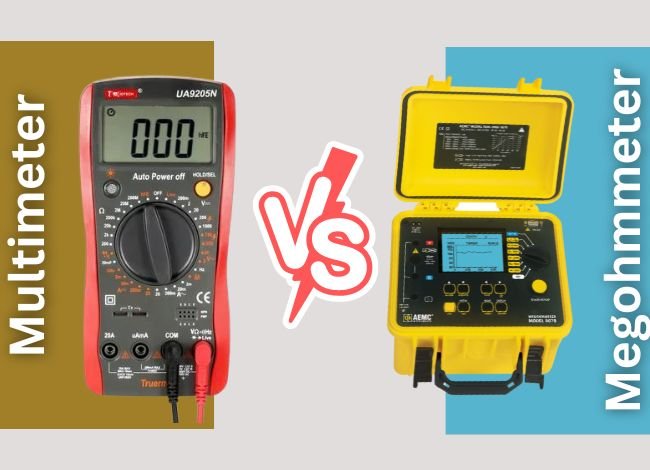
However, it does not replace every function of a full-size professional multimeter. For more specialized electronics testing, you may prefer a model such as the Fluke 87V industrial multimeter.
True-RMS Technology
One of the biggest advantages highlighted in this Fluke 325 review is its True-RMS measurement capability.
True-RMS technology helps provide accurate AC voltage and current measurements when dealing with distorted waveforms.
This is particularly useful for electrical systems containing electronic controls, variable-speed equipment, and other nonlinear loads.
However, True-RMS technology does not guarantee accurate results under every condition. Measurements must remain within the meter’s specified frequency, range, and waveform limits.
Hold Button and Min/Max Recording
The Data Hold function allows you to freeze the displayed reading by pressing the HOLD button. This is useful when you need to record a measurement before moving to another test point.
The Fluke 325 also includes a Min/Max function that records the minimum and maximum readings during a measurement session.
This feature can be especially helpful when troubleshooting electrical equipment with fluctuating readings.
Intuitive User Interface
Even though the Fluke 325 offers several professional functions, its controls are relatively straightforward.
The rotary selector is clearly marked, and the buttons provide easy access to commonly used functions.
Users can switch between the available measurement modes without navigating complicated menus.
Beginners should still read the operating manual carefully, especially before measuring energized electrical circuits.
Safety Features
The Fluke 325 carries CAT III 600 V and CAT IV 300 V safety ratings.
These ratings are important when working on electrical distribution systems and other installations where transient overvoltages may occur.
The meter can measure current without opening the circuit, provided the clamp surrounds one conductor rather than an entire multi-conductor cable.
For voltage, resistance, and other measurements using test leads, always follow the manufacturer’s instructions.
Important: Never measure resistance, continuity, or capacitance on an energized circuit. Disconnect power and safely discharge stored energy before testing.
Price
The Fluke 325 is more expensive than many basic clamp meters, but its additional functions can justify the price for professionals.
Unlike entry-level AC-only clamp meters, it measures both AC and DC current and includes temperature, frequency, capacitance, and True-RMS capabilities.
For occasional household troubleshooting, a less expensive meter may be sufficient.
However, HVAC technicians and electricians who regularly perform different electrical tests may find the Fluke 325 a worthwhile investment.
Warranty
Fluke has a long-standing reputation for manufacturing dependable electrical testing equipment.
The Fluke 325 includes a two-year limited warranty, offering additional reassurance against eligible manufacturing defects.
Warranty coverage is subject to the manufacturer’s terms and does not normally cover misuse or accidental damage.
Fluke 325 vs Fluke 323: Which Is Better?
The Fluke 325 and Fluke 323 belong to the same clamp meter series, but they differ in their measurement capabilities.
| Feature | Fluke 325 | Fluke 323 |
|---|---|---|
| AC Current | Up to 400 A | Up to 400 A |
| DC Current | Up to 400 A | Not supported |
| AC/DC Voltage | Up to 600 V | Up to 600 V |
| Resistance | Up to 40 kΩ | Up to 4 kΩ |
| Continuity | Yes | Yes |
| True-RMS | Yes | Yes |
| Temperature | Yes | No |
| Capacitance | Up to 1000 µF | No |
| Frequency | 5–500 Hz | No |
| Jaw Opening | 30 mm | 30 mm |
| Backlit Display | Yes | No |
| Weight | 283 g | 265 g |
| Best For | HVAC and professional electrical troubleshooting | Basic electrical maintenance |
| Price | Higher | More affordable |
Key Differences Between Fluke 325 and Fluke 323
The most important difference is DC current measurement. The Fluke 325 measures both AC and DC current, while the Fluke 323 measures AC current only.
The Fluke 325 also offers temperature, capacitance, frequency, Min/Max recording, and a backlit display.
If you need a meter primarily for basic AC current and voltage testing, the Fluke 323 may be enough. For more advanced electrical and HVAC work, the Fluke 325 is the better choice.
What We Liked About the Fluke 325 Meter
- Compact and relatively lightweight design
- Backlit display for poorly lit workplaces
- Measures both AC and DC current up to 400 A
- True-RMS technology for accurate AC measurements within specified limits
- Includes a K-type thermocouple for temperature testing
- Non-contact current measurement using the clamp jaws
- CAT III 600 V / CAT IV 300 V safety ratings
- Capacitance, frequency, resistance, and continuity testing
- Useful Data Hold and Min/Max recording functions
- Comfortable design with clearly labeled controls
- Includes a soft carrying case and test leads
- Two-year limited warranty
What We Didn’t Like About the Fluke 325 Multimeter
- More expensive than basic clamp meters
- Limited to 400 A current measurements
- Not designed for advanced electronics troubleshooting requiring very high resolution
- Does not include every specialized HVAC function available on dedicated HVAC instruments
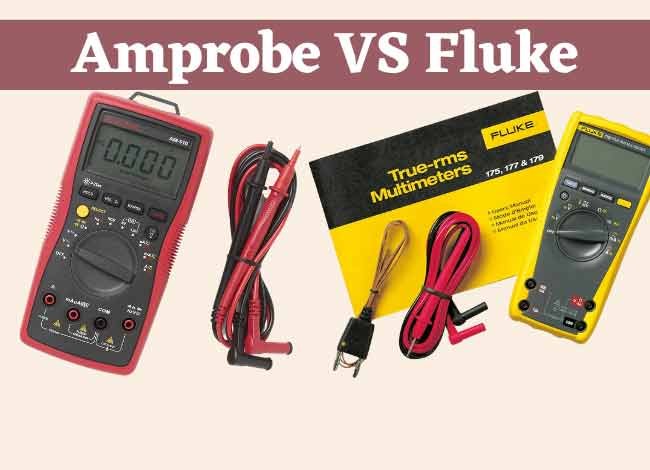
If you mainly need voltage and resistance measurements rather than clamp-based current testing, the Fluke 117 or Fluke 179 digital multimeter may be worth considering.
Who Is Best Suited for the Fluke 325 Clamp Meter?
The Fluke 325 is an excellent choice for technicians who need to measure AC and DC current up to 400 A without disconnecting conductors.
Its compact design is particularly useful when working in electrical panels and other locations with limited space.
The meter is well suited to:
- Professional electricians
- HVAC service technicians
- Industrial maintenance workers
- Commercial electrical contractors
- Experienced electrical troubleshooting enthusiasts
Compared with many entry-level Klein multimeters, the Fluke 325 offers a combination of advanced functions and professional-oriented features.
However, DIY users who only need basic voltage and continuity testing may not benefit from every feature.
Fluke 325 Troubleshooting Guide: Common Problems and Solutions
Even a reliable clamp meter can occasionally produce unexpected readings or experience operating problems. Here are some common issues and ways to address them.
1. Inaccurate Current Readings
Possible causes and solutions:
- DC Current Offset: If the meter shows a small reading with no conductor inside the jaws, use the meter’s DC current zeroing procedure described in its manual before measuring DC current.
- Dirty Clamp Jaws: Dirt or debris on the jaw surfaces can affect accuracy. Turn the meter off and clean the mating surfaces with a soft, clean cloth. Avoid abrasive materials.
- Incorrect Conductor Placement: For the best results, position a single conductor within the clamp jaws as instructed by Fluke. Clamping around both supply and return conductors can cancel their magnetic fields and produce a near-zero reading.
2. Device Not Powering On
Possible causes and solutions:
- Depleted Batteries: Replace the two AAA batteries and check that they are installed with the correct polarity.
- Battery Leakage: Inspect the battery compartment for corrosion or leakage. If the contacts or internal components are damaged, arrange professional servicing before using the meter again.
3. Unresponsive Buttons or Display Problems
Possible causes and solutions:
- Temporary Operating Problem: Turn the meter off, check the batteries, and restart it. Avoid assuming that a firmware update is available for this model.
- Physical Damage: Inspect the housing, clamp jaws, and display for cracks or other damage. A damaged meter should not be used on energized circuits until it has been properly inspected or repaired.
4. Inconsistent Temperature Measurements
Possible causes and solutions:
- Thermocouple Problems: Check that the K-type thermocouple is properly connected and undamaged. Ensure the measured temperature is within the meter’s specified -10°C to 400°C range and the probe’s own temperature rating.
5. Automatic Shutoff and Backlight Issues
Possible causes and solutions:
- Auto Power-Off: The Fluke 325 includes an automatic power-off function to conserve batteries. If the meter shuts down during inactivity, check the operating manual for the relevant settings.
- Backlight Not Working: Check the batteries and operate the backlight control according to the manual. If the display remains difficult to read, the meter may require servicing.
General Maintenance Tips
- Regular Cleaning: Wipe the meter with a lightly dampened cloth and mild detergent. Avoid harsh solvents and abrasive cleaners.
- Storage: Keep the meter and its accessories in the supplied soft case in a cool, dry location.
- Test Leads: Inspect the insulation, probes, and connectors before every use. Replace damaged leads immediately.
- Periodic Inspection: Professional users should follow their workplace’s inspection and calibration requirements to maintain measurement confidence.
Final Thoughts
The Fluke 325 True-RMS clamp multimeter is a dependable tool for residential, commercial, and industrial electrical testing.
It combines AC/DC current measurement, voltage testing, temperature measurement, capacitance, frequency, and other useful functions in one compact instrument.
The backlit display, easy-to-use controls, and durable construction also make it practical for everyday professional work.
Related article: Fluke 287 vs 289: Differences and Similarities
Although it costs more than basic clamp meters, its additional capabilities make it a worthwhile option for technicians who regularly measure both AC and DC current.
Its two-year warranty and included accessories add further value.
Overall, if you’re looking for a versatile professional clamp meter, the Fluke 325 deserves consideration. I hope this Fluke 325 review has helped you understand its features, limitations, and practical applications.
FAQs
1. How do I switch between the 40 A and 400 A current ranges?
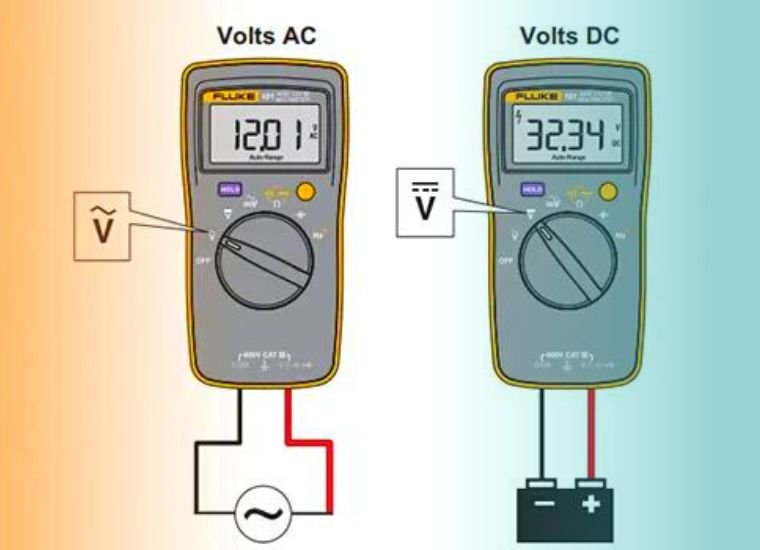
The Fluke 325 automatically selects the appropriate current measurement range. Use the rotary selector and AC/DC selection controls as described in the manual. For voltage testing, see our guide on measuring AC voltage with a multimeter.
2. Why doesn’t the multimeter always show zero in AC voltage mode?
Small residual readings may appear because of electrical noise, induced voltage, or the meter’s measurement characteristics. True-RMS meters also have specified operating limits. Consult the manual if readings remain unexpected.
3. What is the minimum current resolution of the Fluke 325?
The Fluke 325 has a current display resolution of 0.01 A on its 40 A range. However, the smallest displayed increment should not be confused with guaranteed accuracy at very low current levels.
4. What is the maximum current the Fluke 325 can measure?
The meter can measure AC and DC current up to 400 A using its clamp jaws.
5. Can the Fluke 325 measure DC amps?
Yes. Unlike the Fluke 323, the Fluke 325 supports both AC and DC current measurements up to 400 A.
6. What is the capacitance measurement range?
The Fluke 325 can measure capacitance up to 1000 µF using its specified capacitance ranges.
7. Can the meter record maximum and minimum readings?
Yes. The Fluke 325 includes Min/Max recording. However, this is not the same as a dedicated high-speed peak capture function.
8. Is a carrying case included?
Yes. Fluke lists a soft carrying case among the included accessories, along with TL75 test leads, a K-type thermocouple, and two AAA batteries.
9. Does the Fluke 325 have a backlit display?
Yes. The Fluke 325 has a backlit display that improves readability in poorly lit locations.
10. Can I measure current by clamping around a power cord?
For a typical power cord containing both live and neutral conductors, clamping around the entire cable generally produces a near-zero reading because the magnetic fields cancel. You need to clamp around one conductor using a suitable, properly rated current-separation accessory or another approved method.
11. Is the Fluke 325 multimeter worth the money?
Yes, for professionals who need True-RMS measurements, AC/DC current testing, temperature measurement, and other advanced functions. For occasional household use, a simpler and less expensive meter may be sufficient.
Still have a question after reading this Fluke 325 review? Feel free to leave a comment below.

Is the Fluke 325 made in the USA?